Bearing the fruit of Seeking the Kingdom through:
Equipping, encouraging and sustaining those who lead God’s people.
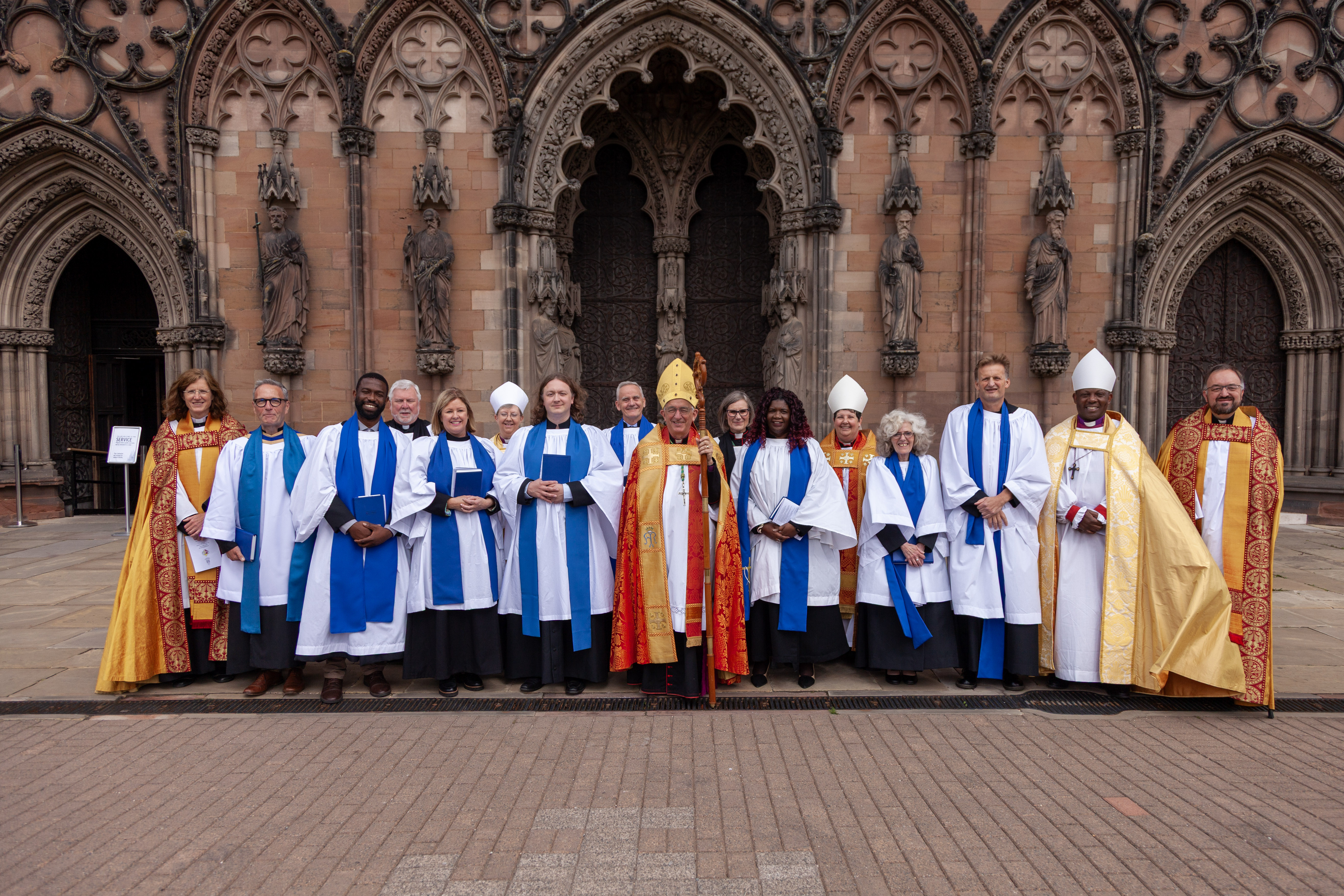
Ministry is everything we do in the service of God and is a shared calling for all God’s people — but some among us are called to carry particular and visible responsibilities. This may be as clergy, lay ministers and leaders of worshipping communities, or in the many lay volunteer roles that our diocese depends upon. In a time of significant change and challenge for the Church, Supporting our Ministry is our commitment to strengthen, sustain and equip all who serve in frontline ministry. Jesus said, “You are the light of the world… let your light shine before others” (Matthew 5:14–16, NIV). Our leaders help that light shine in every parish, school, chaplaincy and fresh expression. To flourish, they need to be supported and formed, and given a healthy environment in which to serve. What we'll see on our journeyAs Supporting our Ministry takes root, we expect to see: • Clergy and lay ministers flourishing individually and together as the people of God Strong, supported leaders help build strong, mission shaped, hope filled churches. |
Why Supporting our Ministry mattersOur recent diocesan conversations revealed deep pressures — high vacancy rates, uneven provision of lay leadership, strain on wellbeing, and a need to grow a more diverse and sustainable pipeline of future clergy and lay ministers. If we are to build a younger, more diverse, outward-facing Church, then those who lead need to be nourished, supported and prepared for the road ahead. |
||||
Header Text
Footer Text
Supporting Our Ministry
Everyone who holds the Bishop’s licence or permission to officiate — clergy and licensed lay ministers — is supported in providing for their own wellbeing, development and formation. We are:
• Refreshing and joining up our approaches to wellbeing, development and ministerial review
• Building a first class, proactive wellbeing programme rooted in the realities of ministry today
• Ensuring that support is easy to access and tailored to the challenges of today’s church
Healthy leaders enable healthy churches.
Where people serve matters. To strengthen impact, we are:
• Developing a deployment strategy that places ministers where they can genuinely thrive
• Using assistant and self supporting ministers imaginatively
• Ensuring clear pathways into incumbency for incumbent level curates
• Equipping leaders for a mix of parish, chaplaincy, school and pioneer contexts
Mission flourishes when people are in places where their gifts bear fruit.
Leadership can be isolating. We are creating stronger networks of encouragement and shared learning through:
• New learning communities for leaders working in similar contexts (multi parish benefices, rural ministry, large churches, chaplaincies, and more)
• A mentoring programme for all new incumbents
• Spaces where ministers can reflect, share wisdom, and support one another
Leaders grow best when they grow together.
Curates need the right grounding for a lifetime of leadership. We are:
• Fully aligning the IME programme with diocesan strategy
• Introducing new placements in schools and chaplaincies
• Embedding formation that prepares curates for the realities of ministry in our parishes and communities today
Curacy is not just training — it is also a time of ongoing formation.
Our Pioneer Ministers have much to teach the wider diocese. We are:
• Showcasing and sharing their learning
• Developing ways to evidence the impact of pioneering
• Encouraging innovation and supporting new expressions of church
The mixed ecology thrives when pioneering gifts are recognised and shared.
We need more clergy — and more diverse clergy — for the future. Our commitments include:
• Using our newly adopted pathway for ordained vocations to increase both numbers and diversity
• Mapping ten years of vocation data to understand where vocations are (and aren’t) emerging [This has hidden ambiguities and implications: are you suggesting that more vocations should come from the places where they are emerging or that they should emerge from everywhere? Perhaps add: “and ensure that calls to ministry can be responded to in every part of our diocese.”
• Removing barriers that hold people back from pursuing their calling
Every vocation is precious — and every community needs empowered leaders.
Lay ministry is essential to our future flourishing. We are:
• Creating more straightforward routes into chaplaincy
• Providing a choice of training pathways for Reader (LLM) Ministry
• Establishing new routes for training people to lead worship leaders so every church can have regular Sunday worship
• Celebrating and equipping lay offices such as churchwardens, treasurers, PCC secretaries and parish safeguarding officers